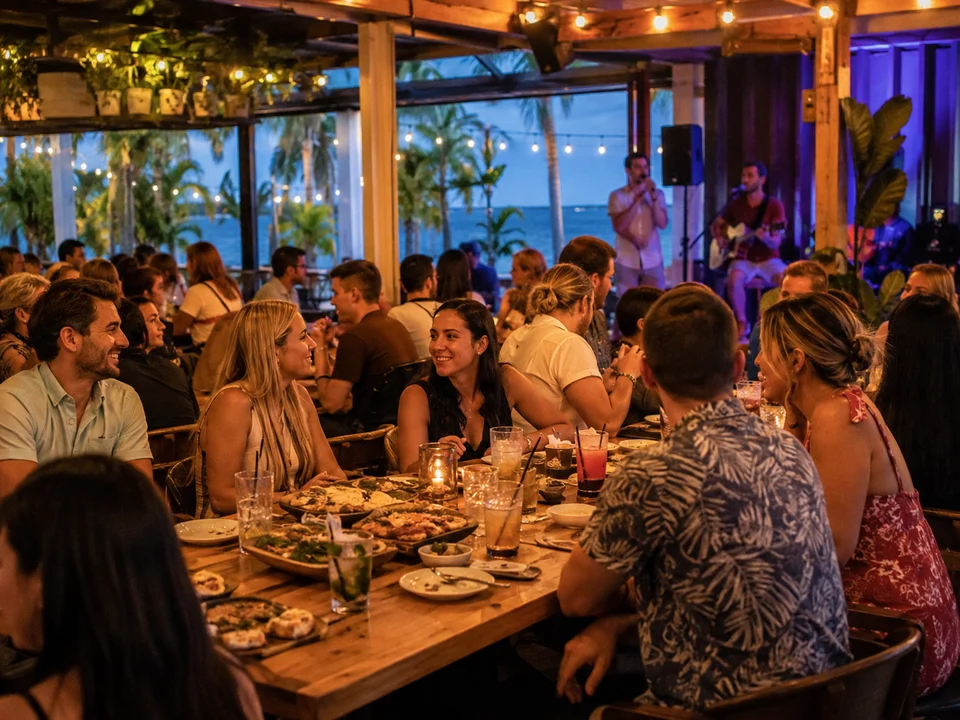
A successful a flexible mix of recurring and seasonal entertainment program starts before the first guest participates. It starts when management defines what the event should accomplish and how it should fit the normal operation. For tourism-driven venues in Panama City Beach, the objective is usually some combination of matching program frequency to guest demand without losing consistency for locals. That objective should guide the public schedule, the room setup, the host’s responsibilities and the way the event is described to potential guests.
This article focuses on decisions a venue can control. It does not promise a particular financial result, because attendance and sales are influenced by weather, tourism, competing events, staffing, pricing and the existing reputation of the property. Instead, it provides a framework for planning a flexible mix of recurring and seasonal entertainment, documenting the operating process and evaluating whether the program is moving tourism-driven venues toward matching program frequency to guest demand without losing consistency for locals.
01
Start with the local opportunity
Panama City Beach does not produce one uniform audience. A weeknight can include local residents, hospitality employees, seasonal workers, families, destination groups and guests whose plans change with weather. Because of that mix, tourism-driven venues should define the primary audience for a flexible mix of recurring and seasonal entertainment instead of trying to serve everyone equally on every date. The event description, start time and music or question choices should all reinforce who the night is designed to welcome.
The local opportunity is strongest when the program solves a specific scheduling problem. Management may want to strengthen a soft evening, extend activity after dinner, create an onsite guest amenity or give a community a repeat gathering point. In this case, the central goal is matching program frequency to guest demand without losing consistency for locals. That statement is more useful than a vague promise to generate excitement because it can be connected to operating decisions and measurable results.
02
Connect the program to revenue and retention
Revenue can improve through several smaller behaviors rather than one dramatic jump. Guests may arrive earlier, stay through another ordering period, bring a larger group or return on the same night the following week. a flexible mix of recurring and seasonal entertainment should be timed so it supports those behaviors without blocking normal service. The venue can then compare food, beverage or booking activity with similar non-event periods and review whether the program is attracting the kind of guest the property wants to retain.
Retention grows when the experience is predictable enough to become a habit. The recommended schedule is a core schedule with clearly announced seasonal adjustments. Consistency makes promotion easier, helps staff answer questions and gives participants a clear next date. It also gives management a fair test. One unusually busy or quiet night should not determine the entire decision; a recurring program needs enough repetitions to reveal attendance patterns, operational friction and the rate at which first-time guests become regulars.
03
Design the guest experience
The guest should understand the experience within a few moments of arrival. That means the host or venue needs a concise explanation of how to join, when the activity begins, how long it runs and what happens between segments. For a flexible mix of recurring and seasonal entertainment, participation should feel optional but inviting. Spectators, dining guests and first-time participants still shape the atmosphere, so the program should avoid making the room feel closed to people who are not ready to perform or compete.
Room design matters just as much as the content. Speakers should provide clear coverage without forcing one section of the venue to absorb all the volume. Signup, cards, answer collection or request areas should stay away from server paths and emergency exits. The program should also leave natural ordering windows. When guests can hear instructions, staff can move safely and the next step is obvious, the event feels professional without becoming rigid. Focus: Choosing the Right Entertainment Schedule for.
04
Protect venue operations
The operating plan for this topic should address weather, school calendars, tourist turnover, staffing and holiday conflicts. Those details belong in the pre-event conversation rather than being solved in front of guests. Management should identify the onsite decision-maker, loading location, available power, sound restrictions, weather authority and any point in the normal service schedule that cannot be interrupted. A written summary reduces the risk that the host, manager and staff are working from different assumptions.
A recurring event should become easier to operate over time. After each date, the venue can note where guests formed lines, when service became compressed, which announcements were missed and whether the public finish time was realistic. Small adjustments to layout, break timing, signage or staff handoffs often improve the next event more than changing the entire entertainment concept. The goal is a repeatable system that the team trusts. Focus: Choosing the Right Entertainment Schedule for.
05
Promote the experience, not only the offer
The promotional emphasis should be advance calendar publishing plus reminders that clearly explain seasonal changes. Effective posts explain what the guest will do, who the event suits, when participation begins and why this venue is the right place to attend. Repeating the same core information is useful because people rarely act after seeing one announcement. Visual consistency also helps a weekly program become recognizable in a crowded local feed.
Content created during the event can support the next date, provided guest privacy and consent are respected. A short clip of the host explaining the format, a winner photo, a team-name graphic or a wide room image can demonstrate the atmosphere more clearly than generic artwork. Every recap should include the next date and a direct action such as reserving, sharing with a team or asking the front desk for details. Focus: Choosing the Right Entertainment Schedule for.
06
Measure what your property can improve
The most useful measurements for this article are attendance by period, local versus visitor participation, sales consistency and cancellation rate. Management does not need a complicated dashboard to begin. A simple event log can record the date, weather, competing local events, guest count, participants, sales observations, operational issues and promotional activity. Over several dates, that record helps separate genuine trends from isolated circumstances.
Metrics should lead to decisions. If attendance grows but service complaints increase, the room or staffing plan may need attention. If social reach is high but few people attend, the call to action or event explanation may be weak. If guests return but average checks fall, menu timing and ordering prompts deserve review. The purpose of measurement is not to prove that every event succeeded; it is to make the next event more informed. Focus: Choosing the Right Entertainment Schedule for.
07
Use a practical launch sequence
A useful launch begins with a short planning meeting. Confirm the audience, goal, public schedule, event-space boundaries, access instructions, sound expectations, prize responsibility and weather plan. Then prepare a four-week promotional calendar and give staff one concise description they can repeat. During the first events, protect the agreed format long enough to learn from it instead of making major changes after every comment. Focus: Choosing the Right Entertainment Schedule for.
At the end of the initial test period, compare results with the original objective: matching program frequency to guest demand without losing consistency for locals. Keep the elements that guests understand, correct the parts that create friction and decide whether the program should remain weekly, become seasonal or move to a different time. Electric Beat Entertainment can help translate the venue’s goals, audience and room conditions into a hosted plan for a flexible mix of recurring and seasonal entertainment, subject to date, travel and production availability.
Key takeaways
A concise plan for Panama City Beach.
- Define matching program frequency to guest demand without losing consistency for locals as the primary objective before selecting final event details.
- Use a core schedule with clearly announced seasonal adjustments so guests and staff can understand the program.
- Resolve weather, school calendars, tourist turnover, staffing and holiday conflicts before the public start time.
- Build promotion around advance calendar publishing plus reminders that clearly explain seasonal changes.
- Review attendance by period, local versus visitor participation, sales consistency and cancellation rate across several comparable dates.
Frequently asked questions
Planning questions for venue owners and event organizers.
How far ahead should a venue plan this entertainment?
Begin as soon as the preferred date or recurring day is known. Peak tourism periods, holidays and high-demand weekends can require more lead time. Early planning also gives the venue time to confirm access, staff responsibilities, promotion and any weather backup rather than treating those items as day-of decisions. Focus: Choosing the Right Entertainment Schedule for.
What information should be included in an availability request?
Include the exact venue, preferred date or recurring day, public start and finish times, expected attendance, age range, indoor or outdoor setting, loading instructions, available power, sound restrictions and the result the venue wants the program to support. Those details make the first response more useful. Focus: Choosing the Right Entertainment Schedule for.
How long should a venue test a recurring program?
Use a test period long enough to include several comparable dates. One event can be affected by weather, a major game, school schedules or an unusual tourism pattern. Management should review attendance, sales observations, participation, staff notes and repeat guests across the complete test rather than reacting to one night. Focus: Choosing the Right Entertainment Schedule for.
Can the format be adapted to the venue?
Yes, within the limits of the service, equipment, schedule and audience. The room size, guest age mix, service model, sound limits and business goal should shape the pace and setup. Final details are confirmed during booking so the website description does not become an assumption about a specific property. Focus: Choosing the Right Entertainment Schedule for.