A venue-specific business case
Entertainment should support how Breweries earn trust and revenue.
A useful entertainment program begins with the economics and operating rhythm of the property, not with a playlist. For breweries, that means understanding a product-led gathering place where guests value discovery, conversation, local identity and enough structure to make a taproom visit feel like an occasion. Electric Beat Entertainment starts with the property’s goals, the audience it already serves and the specific daypart or booking pattern management wants to improve. The resulting plan connects the format, start time, host style, sound level and promotional message to a measurable business reason.
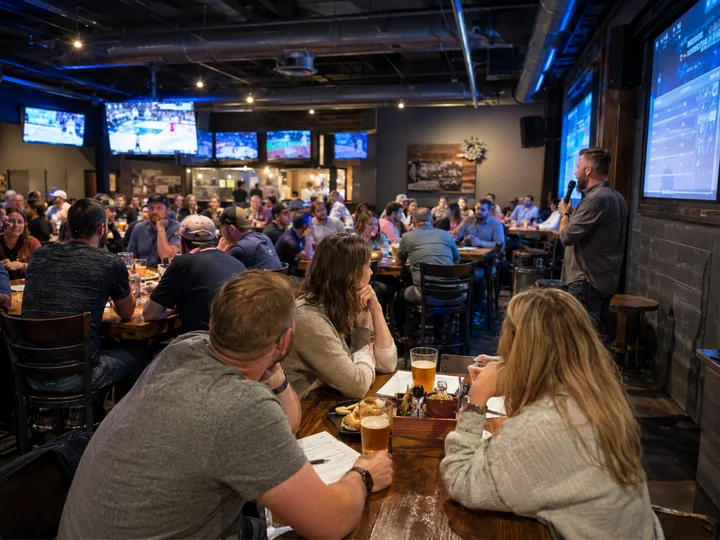
The likely participants are craft beverage enthusiasts, neighborhood regulars, tourists, league groups, families during appropriate hours and guests arriving through food-truck or community partnerships. They do not all respond to the same invitation. Some want competition, some want familiar music, some want a reason to meet people and others simply want a more interesting atmosphere while they eat, drink or spend time on the property. A strong brewery program gives each group a low-friction way to understand what is happening and decide whether to join.
One practical opportunity is early-week taproom hours, seasonal slow periods, new-release gaps and evenings without a food-truck draw or community event. Instead of treating that period as a permanent weakness, management can test a recurring taproom program that creates a destination without competing with the story, service and tasting experience of the beverages. The word “test” matters: entertainment should be launched with a defined calendar, a promotional plan and a review date so the venue can decide what to keep, change or stop based on evidence rather than enthusiasm alone.
Electric Beat approaches breweries as a venue partner, not as a replacement for management. The property remains responsible for licensing, security, staffing, safety, access, guest policies, food and beverage service and final operating decisions. The entertainment plan is designed to fit those controls, with responsibilities clarified before the public is invited.
Execution depends on details that are easy to overlook: taproom acoustics, production-area boundaries, food-truck timing, family hours, merchandise displays, line flow, table availability, amplified sound and any alcohol-service policies. Resolving those items in advance protects the guest experience and the staff. It also makes the host more effective because announcements, breaks, transitions and participation can be timed around the way the property actually works.
The pages for Electric Beat’s individual services explain the mechanics of karaoke, Music Bingo, hosted trivia, DJs and specialized event formats. This page focuses on the business case for breweries: how to select a program, how to connect it to revenue and retention goals, and how to build a recurring experience that remains useful after the novelty of the first night has passed.